This post may contain affiliate links. Read our disclosure here.
*
The year has come to an end, and if you’re like most people, you might be reeling a bit from your holiday spending. Even if you’re a master budgeter, it can be wise to take a look at your budget at the end of the year and see if anything needs to change. Here are 6 steps to refresh your budget for 2026!
If you don’t have a budget, now is a great time to start! Here’s my post on how to make a budget.
6 Steps to Refresh Your Budget for 2026
Examine last year’s spending
This is going to be the most helpful thing to figure out what you want to do moving forward. Even if you didn’t have a budget or track specific categories, you can probably get a decent idea of trends by looking at your bank account statements (search for “Kroger” or where you normally buy groceries, for example). If you didn’t keep track of your spending last year, consider how you can do that in the coming year, even if it’s just a notebook.

Set 1-3 financial goals for 2026
These don’t have to be huge goals. Adding X dollars to your emergency fund, saving up for an item you’ve been wanting, or increasing your retirement contributions even by a small percentage are all great goals.
Consider your subscriptions and yearly bills
Look at your streaming services, app subscriptions, and other monthly services (even Amazon Prime!). Did you actually use them this last year? Do you think you can live without it? Many subscriptions allow you to pause them for 1-3 months, so think about doing that if you’re not sure how you’ll cope without the service. When it comes to fixed expenses like insurance and utilities, do a little research to see if it’s worth shopping around.
Evaluate your current spending categories
If you have been tracking your spending, then you can consider how much you want to spend in certain categories in the coming year. For example, maybe you feel like you spent too much on groceries and would like to spend less in 2026. Or maybe your kids are becoming teenagers and eating more and you need to increase your grocery budget. This is the time to really be honest about what you need to spend each month!
Set up sinking funds, if you haven’t already
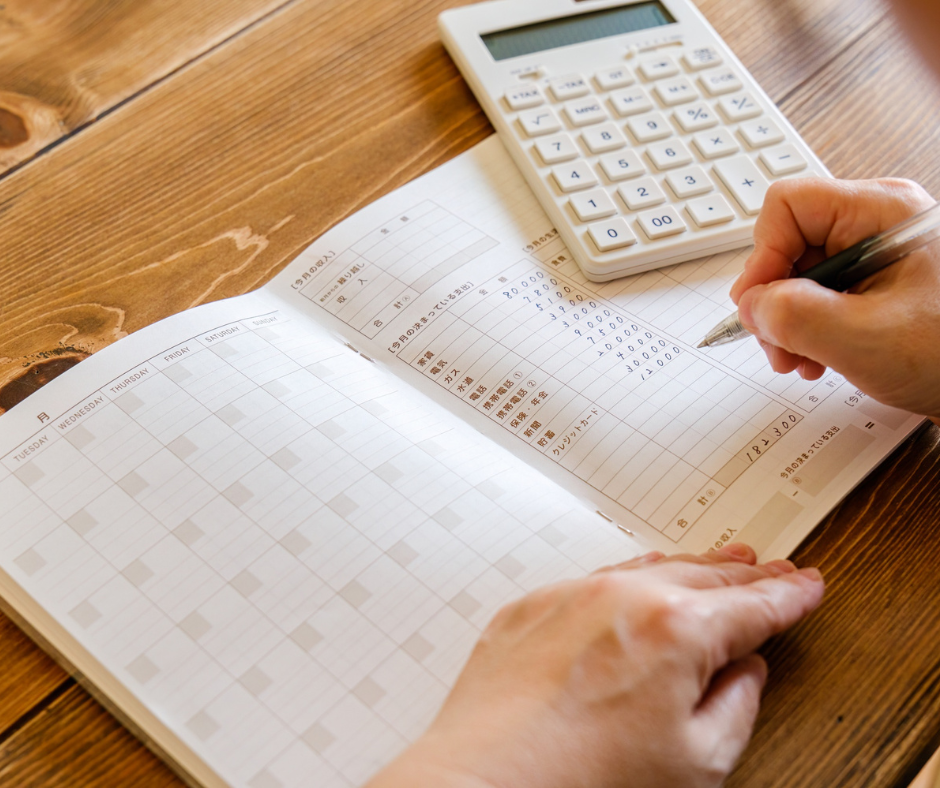
Sinking funds are budget categories that you assign money to in order to accumulate money in that category. For example, Christmas is a common sinking fund—set aside money each month and by Christmas you won’t have to resort to credit card spending. I have sinking funds for both yearly, fixed expenses (like our dog’s annual vet check-up) as well as for monthly, variable expenses like clothing. We also have sinking funds for holidays and travel.
Re-assign your current funds to new categories based on your goals.
Once you’ve decided on your goals and adjusted some of your budget categories, zoom out and look at the rest of your budget. You may need to reduce your planned spending on some categories to make up for changing other goals.
Now you’re ready to enter 2026 with a good grasp on your finances and a plan to be wise with your money in the coming year!