This post may contain affiliate links. Read our disclosure here.

Every once in a while I like to talk more about the psychological aspect of choosing to be frugal and the way I think through different scenarios involving money. I’ve been living frugally for so long that I forget that not everyone is used to thinking this way. I thought I’d share my thought processes on how to decide whether something is worth buying.
For any item, we’re going to assume it’s a quality we’re happy with and that it fits into the kinds of things you want to be buying. Quality is subjective and you may have different standards for different things, but if the quality is bad or it doesn’t fit in with your personal values and goals, then you should almost never buy the thing.
How to Decide Whether Something is Worth Buying
Cost
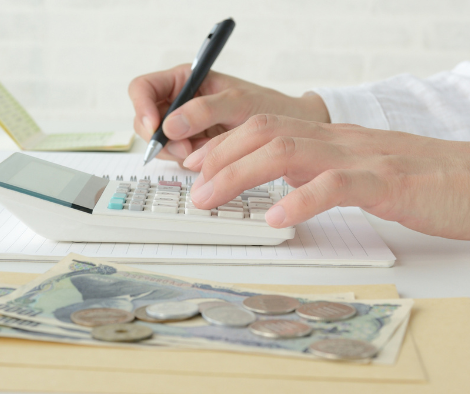
You won’t be surprised that in most cases, the number one factor for me is the cost. And I don’t just mean how much it costs overall, but the price per unit. (Toilet paper is the one exception — I don’t do a lot of math there because it’s really confusing to figure out what is cheapest.) Recently I realized I had been buying something at Costco that was much cheaper per ounce on Amazon. The great thing about store apps is that if I’m at one store and I’m not sure it’s the cheapest price, I can look at Amazon, Walmart, and many other stores to compare. If the unit price is much more than many other places, I’m not going to buy it.

Time / distance cost
These aren’t specific costs, but they are a cost of a kind. Time is worth something to me. Maybe this isn’t the best price, but it’s the best price within about 20 miles. Unless I have plans to drive to the place where I can get a better price, it might just be worth it to get it here. This is true of both time but also distance, because driving costs money in the form of gas and wear on my car.
Similarly, going to another store for one item, even if it’s a store that isn’t too far away, might not be worth it. If there are ten items that are cheaper, then I might.
Timing of next sale
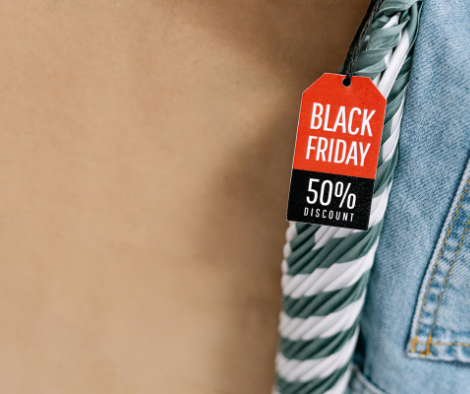
Stores put things on sale in 6-8 week cycles, so when I’m trying to decide whether to buy something, I’m going to consider if it’s likely to go on sale again before I need it. Or maybe I already have a lot of the item at home, enough to last me until the item goes on sale again.

Need / Urgency
Sometimes I need the item now and it doesn’t matter if it’s the cheapest. For example, recently I had a sick kid and ran to Dollar General for medicine. The store brand, which is what I’d usually buy, was out of stock. I had to buy the name brand cough syrup but I didn’t spend a lot of time thinking about it because of the need/urgency.
If it’s something I don’t need urgently, maybe it’s still just a really good deal. In order to prevent impulse spending, though, I usually try to consider the cost of waiting. For instance, recently I saw a good price on something at Costco, but the deal was good for another two weeks. I went home and thought about it, and within a few days that item didn’t seem as important.
Budget
Let’s say that it’s a good price and I can’t find a better price anywhere close to me. But even if something is the cheapest price, maybe I’m at the limit of my grocery budget for the month. If it’s not something I need, then I usually decide not to purchase the item.

Substitutes at home
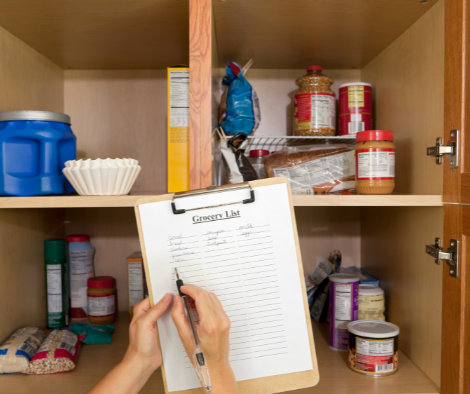
Sometimes I want to buy something out of convenience, and the truth is I have something at home that I could also use. For example, one time I knew I had ground beef at home to make hamburgers, but there were preformed hamburger patties on sale. They were a good deal, but spending nothing and using what I have at home is always cheaper.
Putting it all together
This might seem like a lot to think about at once. I don’t go through all of these things for every single item I’m purchasing. But these are where my thoughts go when I find myself stopping to consider whether to buy something. If you get in the habit of considering these kinds of things, you’ll cut down impulse spending and be more thoughtful about your purchases, and that will add up to savings over time.
How do you decide whether something is worth buying? Let us know in the comments!